
SESL Australia R&D with Smart Construction Materials
SESL Australia has recently undertaken an experimental trial on a recyclable
construction material which appears to improve air quality. Durra Panel is a building
material made from reclaimed, compressed, and thermally treated waste straw. They
are used as structural and insultation components in ceilings and walls. Our client
approached us wanting to know whether the panels had any benefits in terms of air
quality and SESL Australia’s R&D team got to work!
Volatile organic compounds (VOCs) refer to organic pollutants that have high vapour
pressure and low solubility; and become gaseous under normal temperature and
pressure. VOCs are commonly used in the manufacture of paints, solvents, glues,
building materials and cleaning products for example, and area a primary source of
poor indoor air quality.
SESL Australia designed an experiment that evaluated the efficacy of the panels in
removing VOCs from the air. Five solvents, representative of common were
introduced into sealed chambers under controlled conditions, with and without the
panels. Across all VOCs tested, the Durra panels demonstrated rapid VOC reduction
compared with the control chamber (without a panel), particularly under short-term,
high-exposure conditions relevant to indoor air quality management.
Needless to say, the client was very pleased with the findings and eager for our R&D
team to do further research on the efficacy of the panels as a passive mitigation
strategy to improve indoor air quality. You can read the full article here.
Quote from Durra Panel:
"We have been collaborating with Simon and the team at SESL for more than 20 years, undertaking innovative product development to continually enhance the performance of Durra Panel.
Our latest research together has focused on the integration of activated carbon into the Durra Panel core, with testing revealing exceptional results. The findings demonstrate significant passive VOC adsorption capabilities, exceeding our initial expectations and opening up exciting opportunities for improved indoor air quality outcomes.
It is always a pleasure to work alongside the talented scientific team at SESL, whose expertise continues to drive meaningful innovation and performance improvements in our product."

Cross section of Durra Panels with and without granular activated carbon
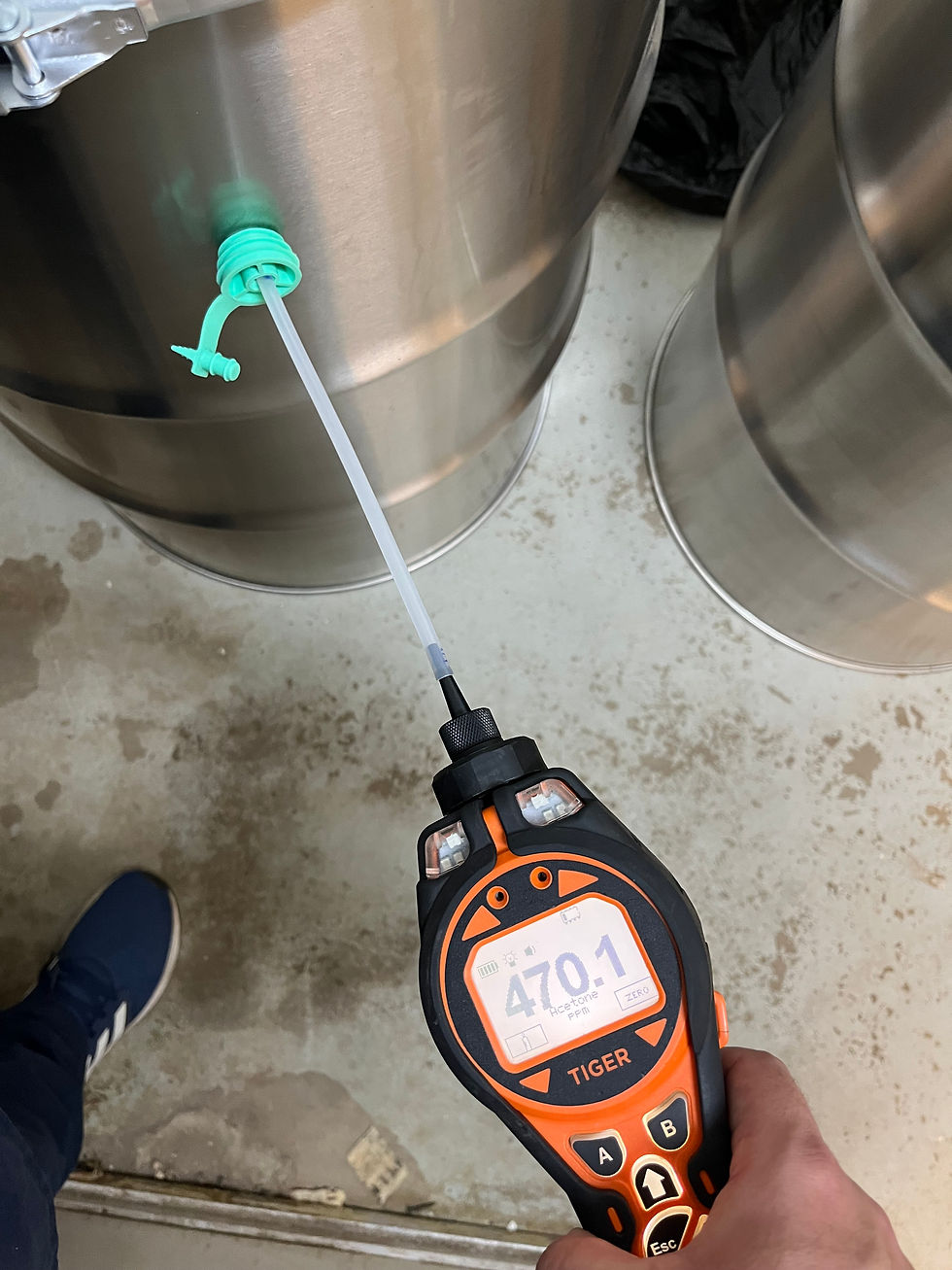
Measuring VOCs using photoionisation detector

Close up of Durra Panel showing compressed straw matrix and outer paper lining.

Example of Durra Panel with exposed straw facel with exposed straw face


Comments